The Best Pregnancy Nutrition Tracker Apps for a Well-Nourished Pregnancy


Published: November 30, 2025 | Category: Nutrition Science
If you’ve ever stood in your grocery store aisle asking, “Is this actually good for my bump or just good branding?” you’re exactly who pregnancy nutrition tracker apps are built for. Pregnancy is one of the few times when your lunch, your lattes, and your late-night snack all matter for two. The right tools turn that pressure into calm, clear data.
The ones are not about counting calories. A good pregnancy nutrition tracker like the one from kaialife, has features that show how much iron, folate, choline, calcium, and protein you’re really getting and how close that comes to what a well-nourished pregnancy needs. You still eat like a real person with cravings and DoorDash nights (I scarfed down countless fried chicken and waffles); your pregnancy nutrition tracker app simply gives you a dashboard so you’re not guessing, and hitting your nutrition milestones.
So let’s help answer a few questions; why does tracking nutrition during pregnancy matter? How does nutrition shift before conception and across each trimester? What are the best pregnancy nutrition tracker apps and do they support WHO and professional guidelines?
Why pregnancy nutrition tracker apps matter
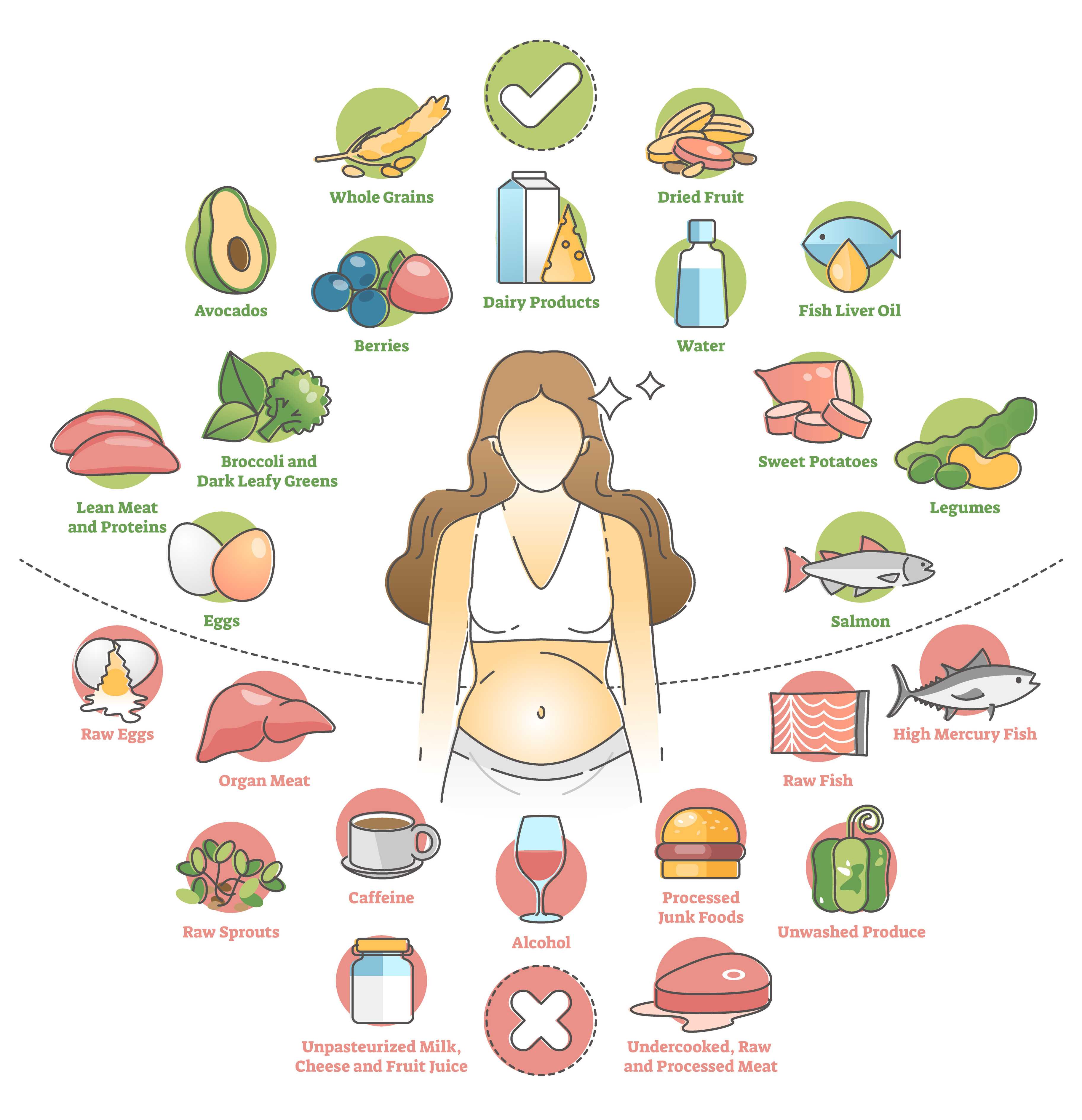
Pregnancy is a period of increased demand for specific nutrients. The World Health Organization (WHO) recommends daily iron and folic acid supplementation in pregnancy – usually 30–60 mg elemental iron plus 400 mcg folic acid – to reduce anaemia, low birth weight, and preterm birth. The CDC and other expert groups recommend 400–800 mcg folic acid daily for anyone who could become pregnant, starting before conception.
On paper, that’s straightforward. In real life – when you’re exhausted, nauseated, and living on sourdough or pickles – it’s not. This is where pregnancy nutrition tracker apps earn their keep and help you:
- See whether food plus supplements cover key nutrients.
- Spot patterns (“I’m consistently low on iron and fiber on busy days”).
- Align your intake with the needs of a well-nourished pregnancy at each stage.
- Turn vague guilt into specific, fixable gaps.
Let’s be clear though, no app can replace your OB, midwife, or dietitian. They make it easier to use the advice you get instead of filing it away with ultrasound printouts.
Why nutrition matters before conception and in each trimester
Think of a well-nourished pregnancy as a four-chapter story: preconception, then three trimesters. Nutrition is equally important in postpartum, and also through your breastfeeding journey should you choose, but that’s a topic for another time.

Preconception: build your foundation
Long before a positive test, your body is building nutrient reserves and balancing hormones.
Key targets pregnancy nutrition tracker apps can help you watch are:
- Folic acid: 400–800 mcg per day for anyone who could become pregnant, starting at least one month before conception, to lower neural tube defect risk.
- Iron stores: Going into pregnancy iron-deficient increases the risk of anaemia later.
- Overall pattern: A whole-food, blood-sugar-steady pattern may help reduce gestational diabetes risk.
Using an app before pregnancy lets you see if your “normal” is already supporting a future well-nourished pregnancy or if you want to tweak things.
First trimester: survival, but smart
The first trimester is where pregnancy nutrition tracking apps must be gentle. Food aversions, nausea, and fatigue are very real.
Here, it’s all about the basics:
- Prenatal and folic acid intake most days.
- Hydration (even mild dehydration can worsen nausea).
- A realistic log of what stays down, so you can flag concerning patterns to your provider.
The first trimester is rough for many of us; your app should help you keep your well-nourished pregnancy on track when you’re temporarily in survival mode. Personally, it helps when I can visually see the goals and markers I need to meet and motivates me to hit them.
Second trimester: the “optimize” phase
For many people, the second trimester is when energy returns. This is when they can help you intentionally build a well-nourished pregnancy.
Focus points:
- Adequate protein and iron for increased blood volume and tissue growth.
- Calcium and vitamin D for bone health.
- Choline and omega-3s for brain and eye development.
Tracking your nutrition, lets you see that brunch-y salads may be light on protein or that your omega-3 intake is basically “only when I remember fish.” The best apps make those gaps obvious and fixable.
Third trimester: growth and recovery prep
By the third trimester, your baby is gaining fast and your body is preparing for labor and postpartum. A truly well-nourished pregnancy now supports both birth and recovery.
Pregnancy nutrition tracker apps can help you:
- Avoid chronic under-eating just because you feel full quickly.
- Track iron and related nutrients to lower the risk of late-pregnancy anaemia.
- Keep fiber and fluids up for constipation, and magnesium for muscle and sleep support.
The goal here is to keep your basics covered while you ride out the home stretch.
The best pregnancy nutrition tracker apps: who they are and how they differ
There are endless pregnancy apps. When you care specifically about nutrition, you’re hunting for the best pregnancy nutrition tracker apps and not just “baby is the size of a papaya” apps.
Ovia Pregnancy
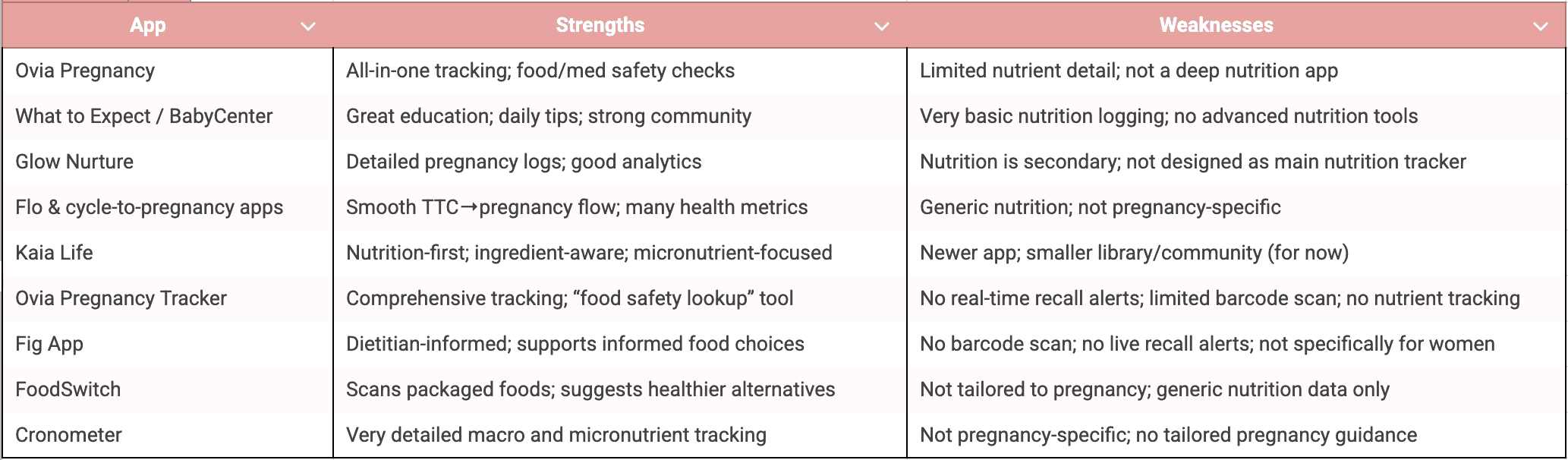
Ovia Pregnancy is an all-in-one app with customizable tracking and helpful safety tools. You can log food, symptoms, weight, and use lookups to check whether certain foods or medications are considered safe in pregnancy.
As pregnancy nutrition tracker apps go, Ovia is great for integrating nutrition into your overall health picture, but it doesn’t give deep micronutrient analysis. It’s a general pregnancy tracker that includes nutrition, rather than a pure pregnancy nutrition tracker app.
What to Expect & BabyCenter-style apps
Education-forward apps like What to Expect or BabyCenter’s “My Pregnancy & Baby Today” app focus on daily tips, week-by-week fetal development, and community. Logging exists, but it’s basic. They’re lovely pregnancy companions, just not dedicated pregnancy nutrition tracker apps with detailed dashboards.
Glow Nurture
Glow Nurture is often described as a comprehensive pregnancy tracker: week-by-week updates, AI-powered insights, and strong community.
It does overall health logging and analytics very well. Glow gives plenty of inputs, but nutrition sits inside a broader wellness focus rather than front and center the way true pregnancy nutrition tracker apps would.
Cycle-to-pregnancy trackers
Cycle apps that follow you from period tracking and TTC into pregnancy – like Flo or Glow’s ecosystem – offer continuous data from preconception into your well-nourished pregnancy. That’s powerful for spotting trends, but these aren’t purely pregnancy nutrition tracker apps; nutrition is one tile among many.
KaiaLife: a nutrition-first approach
Most big players treat food as a side feature. KaiaLife flips that. It’s being built as a nutrition- and ingredient-aware platform for women’s health that treats pregnancy as a core chapter, not an add-on. As a bonus, you can start using it even before you’re pregnant, and through your postpartum journey into all other phases of life.
Kaia Life is designed to be one of the best pregnancy nutrition tracker apps if you care about both ingredients and micronutrients. The KaiaLife app focuses on:
-
Barcode scanning and ingredient analysis that highlights certain additives, sweeteners, and other ingredients many pregnant people prefer to limit.
-
Micronutrient dashboards that go beyond calories and macros to track folate, iron, choline, omega-3s, magnesium, and more in line with recommendations from groups like ACOG and major health organizations.
-
Life-stage aware targets that change as you move from cycle syncing to TTC to pregnancy to postpartum and breastfeeding, instead of making you start over in a new app each time.
Kaia Life is designed for the modern mama who wants her app to feel smart, intuitive, and ingredient-aware—not just another pretty tracker on her phone.
You’ll find an easy to use table below to assess the apps we have discussed, and a few more below:
How pregnancy nutrition tracking apps support WHO and professional guidelines
The best apps seamlessly help you live out recommendations from WHO, the CDC, ACOG, and others.
-
WHO: daily iron and folic acid
WHO recommends daily oral iron (30–60 mg elemental) plus 400 mcg folic acid in pregnancy to reduce anaemia and poor birth outcomes. A pregnancy nutrition tracker app helps you log your prenatal, track iron-rich meals, and notice if you’ve had several low-iron days in a row so you can discuss it with your provider. -
CDC & USPSTF: preconception folic acid
The CDC and U.S. Preventive Services Task Force recommend 400–800 mcg folic acid daily for people who can become pregnant, starting at least one month before conception. Pregnancy nutrition tracker apps that follow you from TTC into pregnancy make it easier to keep that habit consistent. -
ACOG and others: whole-diet pattern
ACOG and similar groups emphasize a nutrient-dense pattern for a well-nourished pregnancy: fruits and vegetables, whole grains, lean proteins, healthy fats, and key nutrients like folate, iron, choline, calcium, vitamin D, and omega-3s. Pregnancy nutrition tracking apps let you see if your actual pattern lines up with that most of the time.
Used well, they can be gentle guardrails keeping your well-nourished pregnancy trending in the right direction.
FAQ: pregnancy nutrition tracker apps
Do pregnancy nutrition tracker apps replace my doctor, midwife, or dietitian?
No. Even the best pregnancy nutrition tracker apps are companions, not clinicians. They help you track data and spot trends; your care team helps you interpret and act on them.
What if tracking makes me anxious or obsessive?
If a pregnancy nutrition tracker starts to feel punishing, scale back. Log just one or two things (iron-rich foods, water, or your prenatal) or take a break. A good pregnancy nutrition tracker app should feel like a supportive friend, not a food cop.
Is it worth starting a pregnancy nutrition tracker before I’m pregnant?
If you’re trying to conceive or open to pregnancy, yes. Preconception is when folic acid habits, iron status, and your overall diet quietly set the stage for a well-nourished pregnancy. Starting pregnancy nutrition tracker apps early makes the transition from TTC to pregnancy feel more seamless.
The takeaway
Pregnancy will never be perfectly controlled – and honestly, that’s not the assignment. But using the best pregnancy nutrition tracker apps to lightly track what you eat can turn “I hope I’m doing okay” into “I actually know what my body and baby are getting.” Whether you’re a label-reading wellness girlie or a tired human just trying to get something on the plate, pregnancy nutrition tracking apps help you see the bigger picture: nutrients, patterns, and steady progress toward a truly well-nourished pregnancy.
Note: This content is for informational purposes only and is not intended as medical advice. Always consult with a healthcare professional before making significant changes to your diet or wellness routine.